Rooflights and Energy Efficiency: How They Can Cut Your Bills
Rooflights offer a practical solution for enhancing energy efficiency in residential and commercial properties alike. By optimizing natural daylight, they decrease dependence on artificial lighting and can decrease electricity costs. Innovations in glazing technology further improve their effectiveness, limiting heat loss and assisting with temperature regulation. Familiarizing yourself with the specific advantages and choices available can lead to well-considered decisions. What should be taken into account when identifying the best rooflight for optimal energy efficiency?
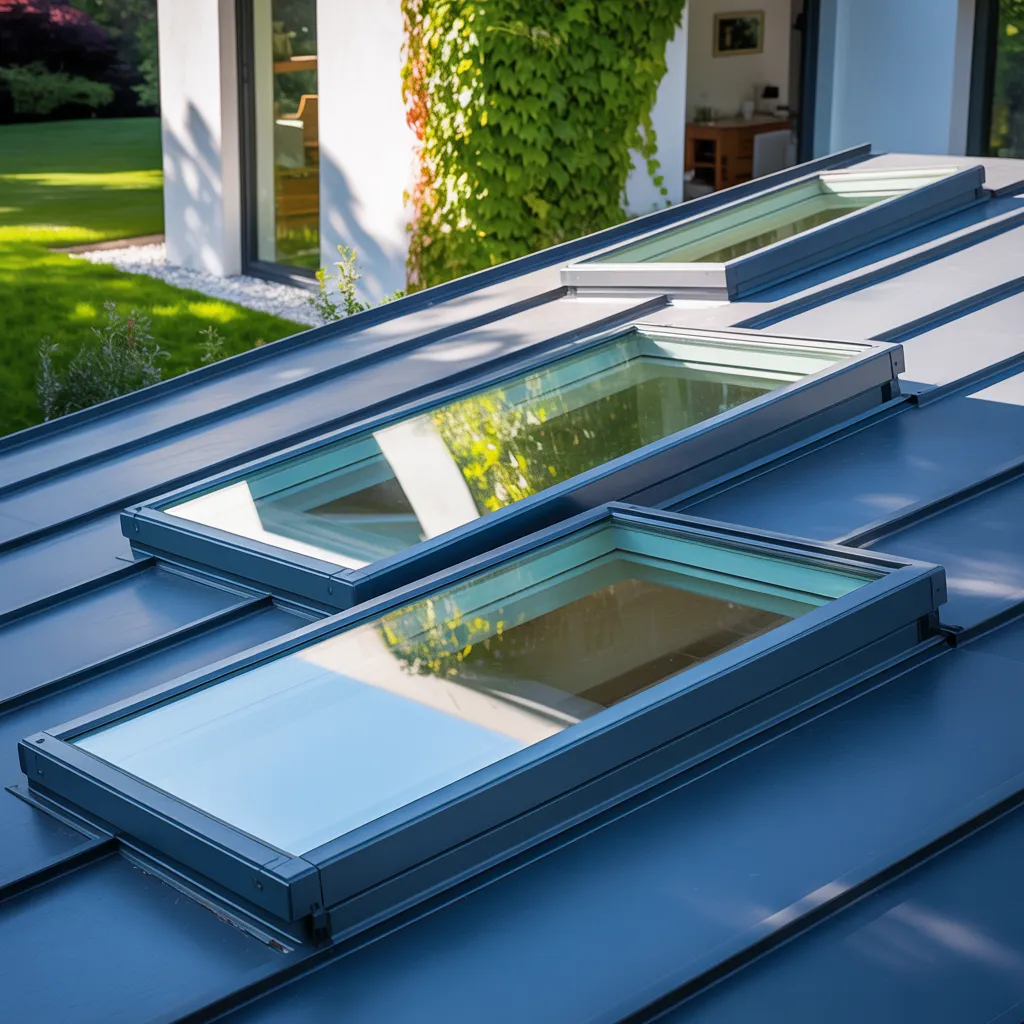
Understanding Rooflights and Their Energy Advantages?
Rooflights, also known as skylights, are architectural features designed to allow natural light to penetrate interior spaces. These features can significantly improve energy efficiency in both residential and commercial settings by minimizing reliance on artificial lighting throughout the day. Through optimizing the utilization of natural light, rooflights assist in reducing electricity usage, ultimately resulting in lower energy costs.
Furthermore, today's skylight systems commonly feature advanced glass technologies that offer enhanced heat retention. This insulation helps maintain internal temperatures, minimizing dependence on climate control systems. As such, inhabitants are likely to notice greater living comfort while further reducing utility costs.
Moreover, carefully positioned rooflights can enhance ventilation, enabling better air circulation. This not only contributes to a more wholesome indoor environment but can also reduce the need for mechanical ventilation systems. All in all, rooflights present a versatile approach to improving energy efficiency in a wide range of building types.

Selecting the Right Rooflight for Your Home or Office
When choosing a rooflight for a home or office, a number of factors need to be taken into account to guarantee optimal performance and visual appeal. The scale and location of the rooflight are crucial, as they affect both illumination and aesthetics. Selecting the appropriate glazing type is also significant; choices include dual or triple-pane units access now that offer better insulation and energy efficiency.
Furthermore, the aesthetic should complement the design style of the building, whether contemporary or classic. Ventilation capabilities are another important consideration, as they can help regulate indoor temperatures and air quality.
In conclusion, reviewing local building regulations and any necessary planning permissions is vital to ensure compliance. By examining these aspects, individuals can reach educated choices that elevate both the beauty and functionality of their areas while optimizing energy conservation.
How Rooflights Transform Natural Lighting and Energy Efficiency
Rooflights serve a vital function in improving natural light distribution across spaces, enabling more effective use of daylight. This enhanced flow of natural light can greatly reduce the reliance on artificial lighting, contributing to decreased energy demands. As a result, the incorporation of rooflights not only brightens interiors but also contributes to improved energy efficiency.
Improved Natural Light Usage
Even though artificial lighting plays an essential role in modern architecture, the careful incorporation of rooflights considerably boosts natural light optimization, resulting in enhanced energy performance. Rooflights enable abundant natural light to reach interior spaces, reducing reliance on electric lighting during daylight hours. This organic light source not only fosters a more comfortable atmosphere but also contributes to reduced energy usage. Additionally, rooflights are able to be configured to improve how light is distributed, reducing glare while increasing luminosity. Integrating high-performance materials, such as thermally efficient glass, can further enhance thermal performance, ensuring that energy loss is minimized. In summary, effective daylight management through rooflights fosters a sustainable approach to building design, aligning aesthetic appeal with energy-saving benefits.
Minimized Artificial Lighting Demands
Natural light significantly cuts down on the dependence on electric lighting within internal areas. Roof windows significantly increase the flow of sunlight, lighting up spaces that would typically depend on electric lighting. This decrease in artificial lighting not only diminishes energy consumption but also decreases electricity bills over time. By carefully positioning skylights, homeowners can maximize sunlight infiltration, creating lighter, more welcoming spaces. Enhanced natural lighting can boost wellbeing and efficiency, further contributing to the holistic wellness of residents. Additionally, with decreased use of artificial illumination, the effect on the environment is lessened, promoting greater ecological responsibility. Fundamentally, rooflights serve as a viable option for reducing energy use while cultivating a healthier living atmosphere.
How Rooflights Support Temperature Regulation and Thermal Insulation
When integrated into a building's architecture, rooflights significantly enhance temperature regulation and insulation. Such architectural additions enable natural light to filter through while minimizing heat loss during colder months. Rooflights can be designed with innovative glazing solutions that reflect unwanted solar heat in summer, thus decreasing dependence on air conditioning. This feature not only improves comfort but also contributes to a more stable internal environment.
Additionally, rooflights contribute to passive solar heating, collecting sunlight to heat areas in a natural way. This can result in a significant decrease in heating costs. The thoughtful arrangement of rooflights can generate a balanced spread of light and warmth, reducing cold spots and draughts across a room.
Moreover, premium insulation around rooflight installations is crucial. Properly insulated rooflights reduce thermal bridging, guaranteeing that energy efficiency is optimised. Overall, rooflights act as a fundamental element in elevating a property's energy performance and comfort levels.
Financial Benefits and Return on Investment of Rooflights
Investing in rooflights can lead to substantial cost savings over time. Through improving natural light intake, rooflights decrease dependence on artificial lighting, which significantly reduces electricity expenses. Research suggests that businesses may achieve up to a 30% decrease in energy expenses through enhanced daylighting. Furthermore, rooflights support improved temperature control, reducing the demand for heating and cooling units. This consequently results in decreased energy usage and reduced utility bills.
The upfront investment in rooflights is commonly offset through such savings within a couple of years, making it a financially sound decision. Additionally, many regions offer incentives for environmentally efficient installations, enhancing the financial return on investment for homeowners and businesses. The long-term benefits extend beyond financial savings, encouraging a more sustainable and energy-conscious property design. Overall, the careful implementation of rooflights not only improves energy efficiency but also offers remarkable financial advantages for homeowners and businesses alike.
Practical Examples: Success Stories of Energy Performance With Rooflights
Many case studies illustrate the profound impact of rooflights on energy efficiency in numerous settings. For example, a corporate office in London fitted rooflights, resulting in a 30% decrease in lighting costs. Team members highlighted greater satisfaction and performance because of enhanced natural light, showcasing the wider benefits of these installations.
As a further instance, a educational institution in Manchester made use of rooflights to brighten teaching spaces, leading to a notable decline in power consumption, enabling the establishment to channel funds into educational materials.
Furthermore, a home in the suburban area took advantage of rooflights, realizing a 25% cut in heating costs during the winter season. These scenarios illustrate how rooflight systems not only decrease energy costs but also enhance the living and professional spaces. As these real-world instances confirm, installing skylights can be a strategic move toward enhanced sustainability and energy savings across various sectors.
Questions We Often Receive
Is It Possible to Install Rooflights on Every Type of Roof?
Rooflights can be installed on various roof types, including flat, pitched, and vaulted roofs. That said, particular factors relating to structural integrity, waterproofing, and local building regulations should be carefully considered to guarantee proper installation and performance.
Do Rooflights Require Special Maintenance?
Rooflights typically need very little maintenance, such as periodic cleaning and examination for any leaks or damage. Keeping seals secure and tackling any concerns without delay can assist in sustaining their effectiveness and durability over time.
What Building Regulations Govern Rooflight Installations?
Construction standards for rooflight installations commonly cover conformity with thermal performance, structural integrity, and fire safety guidelines. Regional planning bodies can additionally enforce limitations, confirming that all installations copyright safety measures and satisfy zoning criteria.
Are Eco-Friendly Rooflight Options Available?
Various eco-friendly rooflight options exist, among them products constructed from recycled materials or equipped with energy-efficient glazing. Such choices maximise natural illumination while lowering environmental impact, attracting those who prioritise sustainable building practices.
In What Ways Do Rooflights Impact Property Resale Value?
Rooflights can enhance property resale value by improving the flow of natural light, visual appeal, and energy efficiency. Properties featuring well-placed rooflights tend to appeal to buyers looking for contemporary design elements, possibly generating more competitive bids and a speedier transaction.
Comments on “Custom Rooflights for Skylights, Extensions, and Loft Conversions”